The Phone Comes Before the Code
A GSMA report highlights how rising smartphone costs can put digital learning out of reach for millions across Africa. Discover how AmaliTech’s Coding for Kids programme works around the device barrier, giving young learners access to technology and the opportunity to develop their skills.
With insights from Michael Sedinam Korku Tenu, Community Development Programmes Manager at AmaliTech.
Many young people across Africa will not start a tech career for one reason unrelated to talent. They cannot afford a phone to learn on. We put most of our energy into training and skills. That matters, but it assumes a device is already in the room. The cost of that device is now rising, just as the world needs more young people in tech. The good part is that we know how to move this barrier.
The GSMA quantified the size of the gap. Its State of Mobile Internet Connectivity 2026 report counts 3.4 billion people who still do not use mobile internet. Over 90% of them live where there is coverage already. The masts are up. Most stay offline because they cannot afford the phone needed to use the signal.
Why phones are getting more expensive
Several things are pushing entry-level phone prices up, and demand from the AI sector is one of them. AI data centres consume memory at a scale that has reordered the whole market. Memory prices more than doubled between late 2025 and early 2026, then climbed another 80 to 90% the following quarter.
Memory sits inside every phone, so those costs land on the cheapest handsets hardest. By the end of 2025, a basic internet-capable smartphone cost the poorest fifth of people in Sub-Saharan Africa about 76% of a month's income. The GSMA expects global smartphone shipments to see their largest annual decline on record, driven mainly by the collapse of the sub-$100 segment, the on-ramp that has carried poorer markets online for years. A phone that was already a stretch is slipping out of reach, and the memory squeeze from AI is part of why.
So the world wants more digital talent at the same moment the device that talent learns on is getting more expensive. The pipeline gets thinner at the mouth. Any serious effort to build Africa's tech talent has to account for the device too, since the training it funds assumes one is already there.
How different actors move the same barrier
The device barrier is one you can design around, and more than one kind of actor can do it. Governments can move it through policy. When South Africa scrapped a 9% tax on smartphones under R2,500 in 2025, roughly 1.1 million extra entry-level phones sold the following year, and a declining segment turned back up. A training programme moves the same barrier through design, building around the shortage of devices instead of waiting for it to end. The gap responds to whoever acts on it.
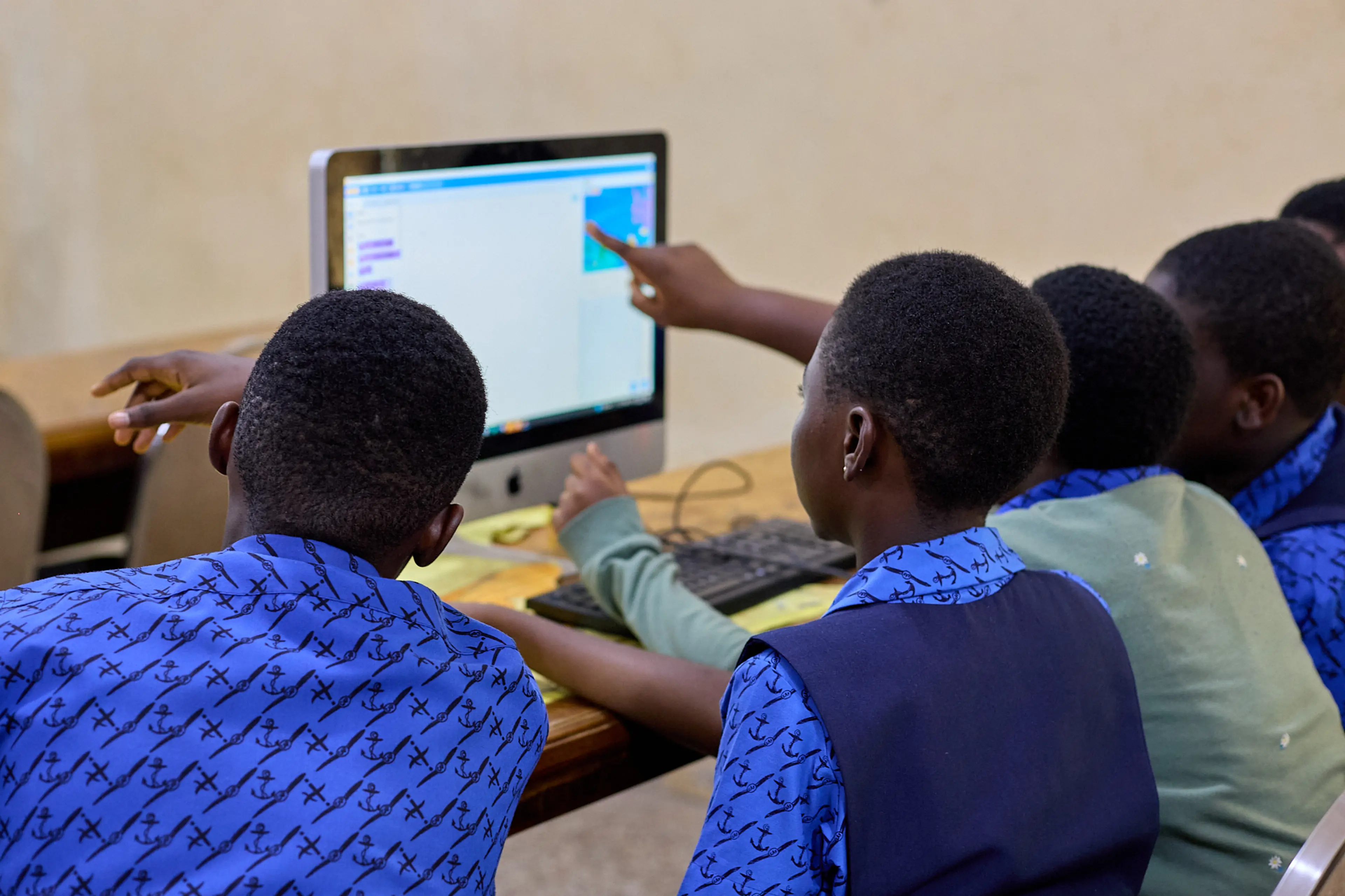
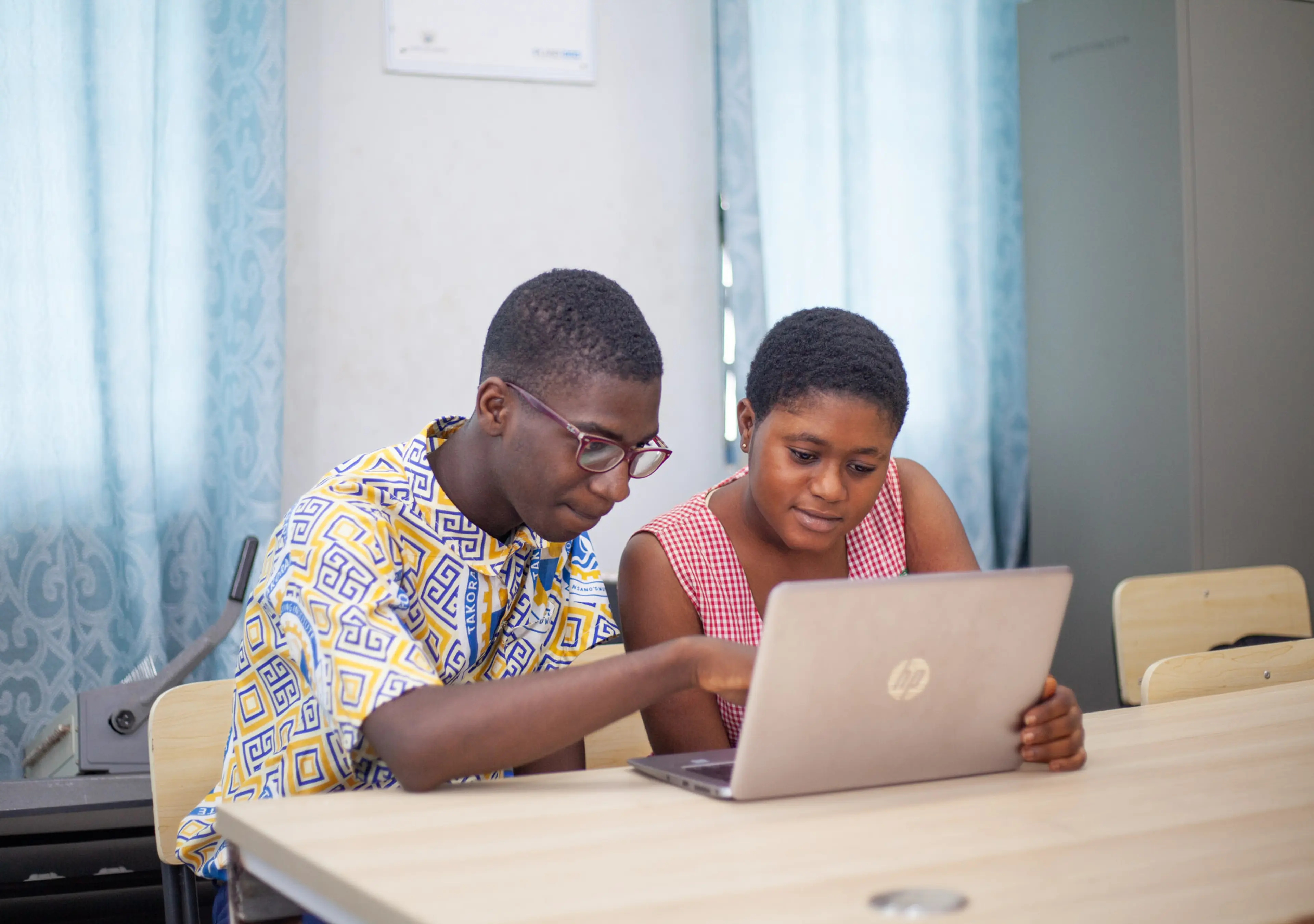
AmaliTech’s Coding for Kids programme is built to do exactly that. According to Michael Sedinam Korku Tenu, who manages the programme as Community Development Programmes Manager, it does not wait for children to own a device. It brings the device to them. Most teaching happens in computer labs set up inside schools, often with partners, so a child’s start does not hinge on what sits at home. In the busier schools, about three students share a machine, which keeps every child typing instead of queuing.
The harder cases, Tenu says, are the children who clearly have the knack but no phone or data once the lab closes. For them, the lab sets aside around thirty minutes of practice time each day. The shared-device model was a deliberate choice, made because plenty of these children will never have a device of their own, and the programme is built to work anyway.
What the children do once they get access
The aim at this age is simple. Keep a child in the game long enough for them to show their ability, instead of losing them at the door over a phone. Tenu says the rest tends to follow. In the shared labs, children build games and small projects. Some have gone on to represent their schools in coding competitions, and the earliest cohorts, by his account, are now in university or close to it.
For Tenu, the lasting thing is rarely one skill. It is that a child walks away knowing technology can travel with them into whatever they choose to do next. That is what clearing the device barrier early buys: a young person who might have been counted out before starting gets to find out how far they can go.
Building Africa's tech talent pipeline does not start with training. It starts one step earlier, with making sure a young person can reach the tool they need to take part at all. Remove that barrier, and more young people have the opportunity to discover and develop their potential.
Continue Reading
Explore more related stories from our blog, handpicked just for you.
© 2026 amalitech.com | All rights reserved