What Twelve Teenagers Built in Three Days at AmaliTech
What can twelve young people with little or no technical background build in three days? At AmaliTech’s Teens Code Bootcamp 2026, one participant built a website to help ginger farmers plan their planting and harvest. Explore what the bootcamp revealed about practical learning, access to technology and the importance of introducing young people to tech early.
Three days after starting their first introduction to coding, one participant at AmaliTech’s Teens Code Bootcamp was presenting a website designed to help ginger farmers plan their planting and harvest.
From 9 to 11 September 2026, AmaliTech hosted the Teens Code Bootcamp 2026 at its Takoradi office, welcoming twelve senior high school graduates for a three-day introduction to technology. The programme was designed to give young people just leaving secondary school an early, practical grounding in tech, and to show them what a career in the field can look like by letting them build real projects of their own.
What happened over those three days was a useful reminder of what can happen when young people are given the opportunity, tools and space to experiment with technology.
Learning by doing
The programme was led by trainers Abdul-Rashid Issah and Michael Akuetteh, with Ayi Yidana Adams facilitating and Charles Palmer-Buckle from the marketing team capturing the programme.
Over three days, they took the group through the internet and artificial intelligence, web development, and embedded systems. Each topic was taught in two stages: first as a concept, then through practical application at the keyboard.
That approach was deliberate. Rather than asking participants to simply absorb new concepts, the programme gave them an immediate opportunity to test what they had learned and see what they could build with it.
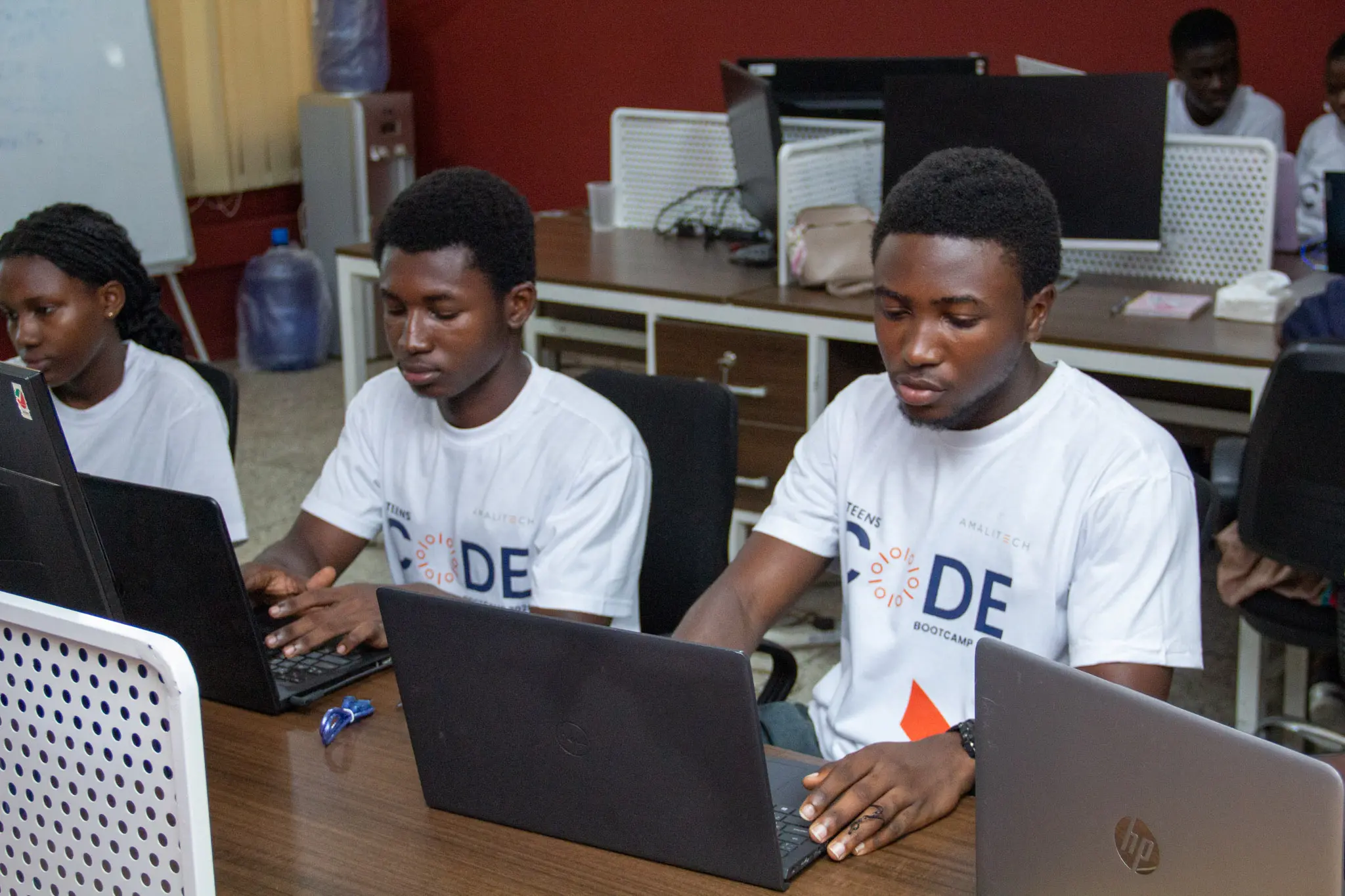
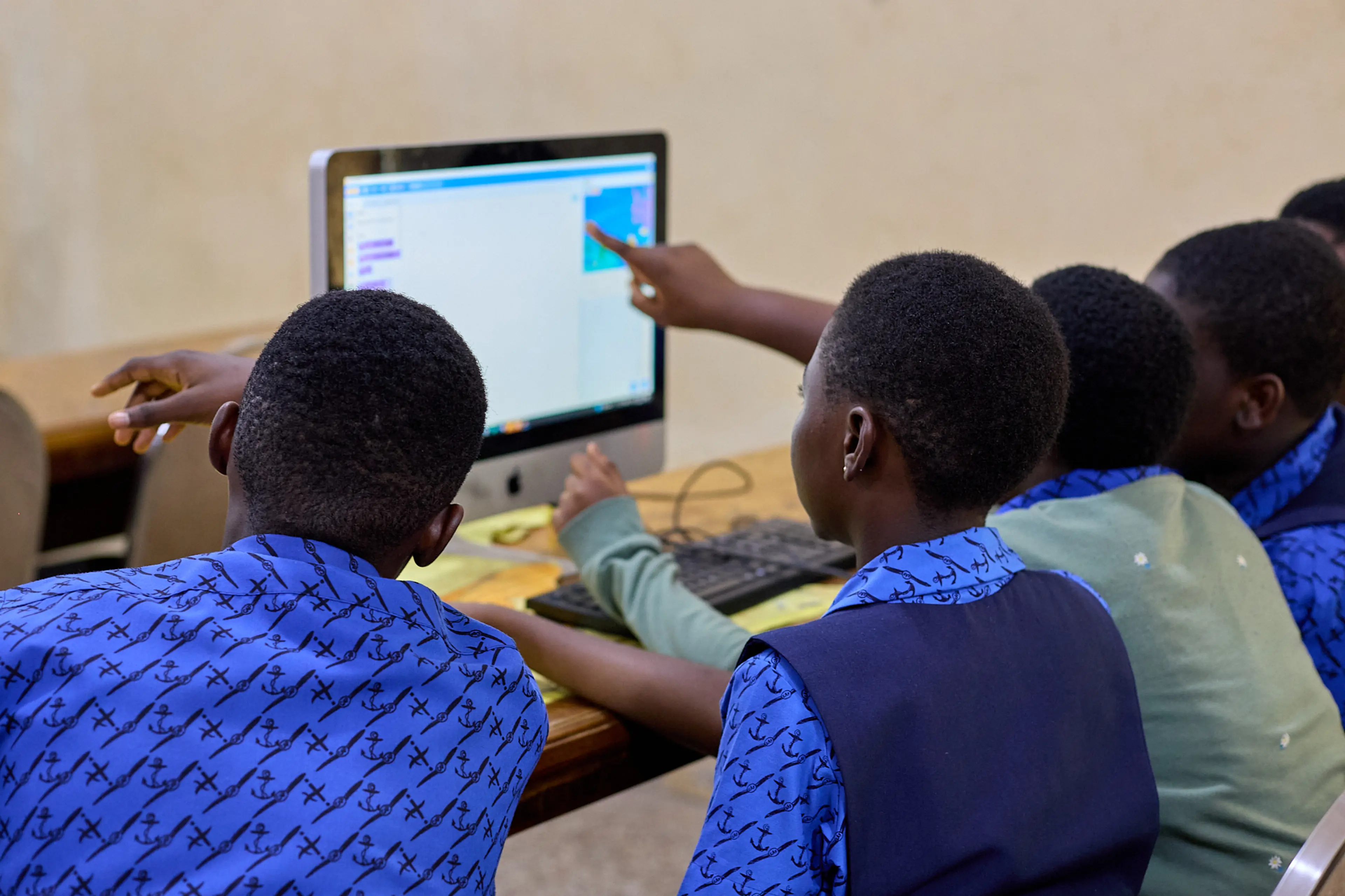
The participants pressed the trainers with questions throughout the theory sessions, pushing for more detail on each concept, and that curiosity carried straight into the practical work. These were school leavers with little or no technical background, and within a day they were asking the kind of questions that show real engagement.
And by the final day, that curiosity had turned into projects.
One participant presented a website he had built for ginger farmers. The tool helps farmers work out the best season to plant, estimate when their harvest will be ready, and plan the work in between.
He had started learning to code just three days earlier.
The project was one of several built by participants working in groups, presenting their approach, demonstrating what they had created and receiving feedback from the trainers.
Access Matters
Every participant was given a laptop to use throughout the three-day programme.
For many young people in Ghana, access to a suitable device remains a barrier to developing practical technology skills. The GSMA report cited in the programme material notes that an entry-level smartphone costs the poorest fifth of people in Sub-Saharan Africa around 76% of a month's income, while a laptop costs considerably more. Teens_Bootcamp_Final
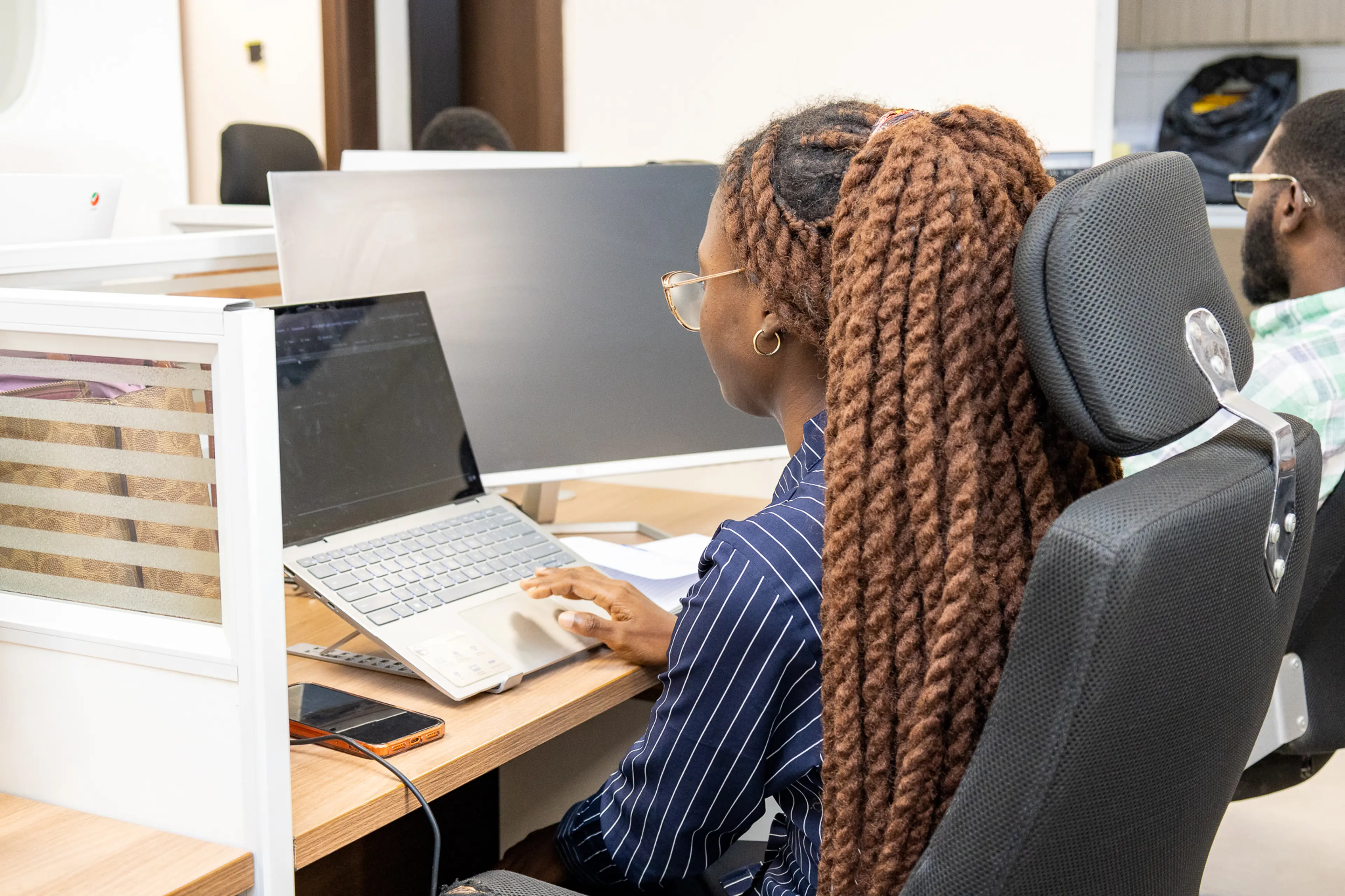
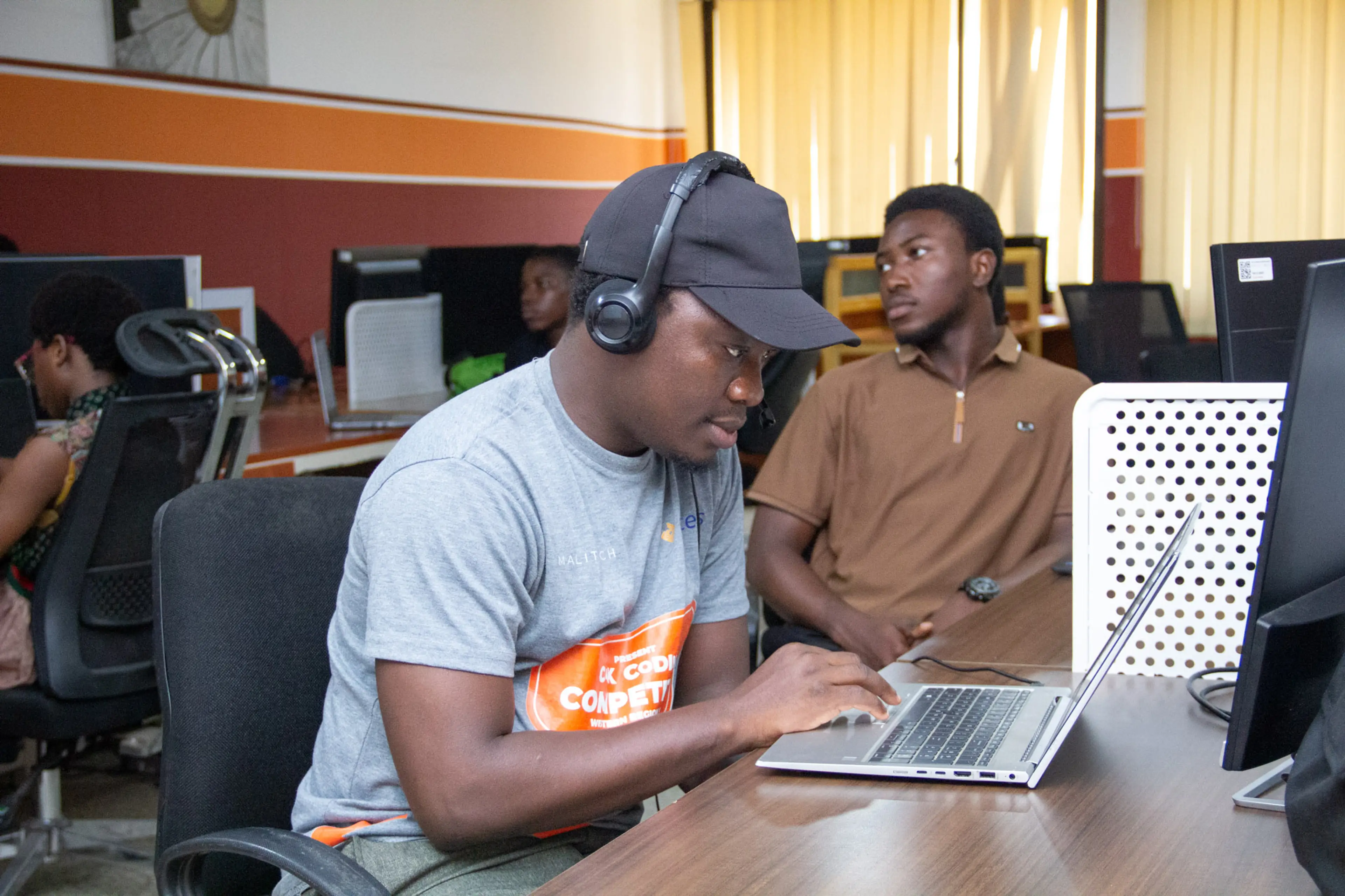
Giving every participant a laptop meant they were not simply watching someone else demonstrate technology. They could build, test, make mistakes and try again for themselves.
That access became particularly important during the practical sessions, where participants worked together to turn what they had learned into projects they could present and defend.
What the three days showed
Two things stood out.
First, how fast the teens moved from understanding an idea to building with it. Pairing each lesson with immediate practice meant the concepts stuck, and the final projects reflected that standard. The second was appetite. By the end, the clearest piece of feedback from the group was that they wanted the bootcamp to run longer than three days, which is about the best endorsement a programme can get.
Starting the talent pipeline early
For AmaliTech, the bootcamp is part of something larger. The company trains and employs tech talent across Ghana and Rwanda, and that pipeline begins with young people at the secondary-school stage. It also strengthens AmaliTech's presence in Takoradi, where it is based, as an employer putting time and resources into the young people on its doorstep.
The strongest signal came at the end, when the teenagers asked for the bootcamp to run longer. Three days had been enough to get one of them building a tool a ginger farmer could use, and enough to leave the rest wanting more.
Continue Reading
Explore more related stories from our blog, handpicked just for you.
© 2026 amalitech.com | All rights reserved